Every retailer is under pressure to do more with less: more formats, more categories, more change – with less capex, less time, and less tolerance for disruption.
In that environment, the question isn’t “how cheap is this fixture today?”. It’s “how many times can this fixture work for me before I have to scrap it?”.
That is where true modular design changes the game.
At CAEM, we’ve spent decades engineering ambient retail solutions to be as modular as possible, without compromising on robustness or the look and feel our clients want. The aim is simple: fixtures that can be re‑used, re‑configured and extended across multiple lives, instead of being written off at the first refit.
What “modular” really means in retail fixtures
Modular is one of the most abused words in our industry. To some, it just means “lots of SKUs”. To us, it means a specific set of design principles:
Standardised cores
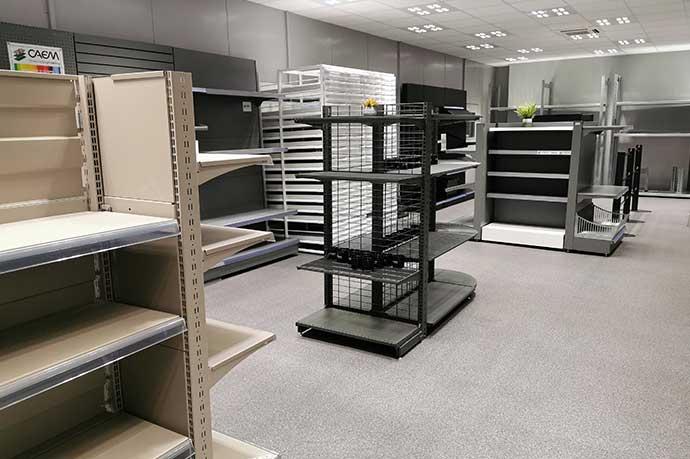
Systems like TN9, S50, M25, Unizinc and D25 drawers are built around standard uprights, beams, shelves and interfaces. Different components talk the same technical language, so they can work together across areas and formats.Family thinking, not one‑off specials
When we design a new display or special, we don’t start from a blank sheet of timber. We start from our metal systems and ask: how much of this can be built from proven, modular elements?Re‑use and re‑configuration baked in
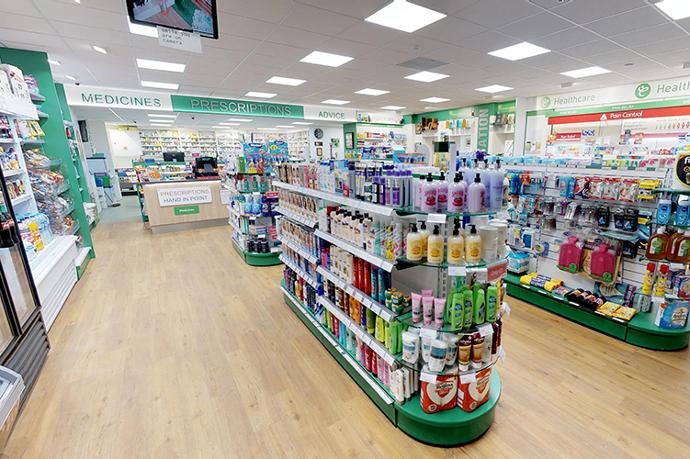
Heights, depths, angles and accessories are chosen so that tomorrow’s range change, or next year’s format refresh, can be handled by moving parts and adding a few new pieces – not ripping everything out.
This approach is not just about flexibility. It’s about economics, risk and sustainability.
Why we push for modularity – and where we stop
Over 25 years across design, manufacturing and finance, I’ve seen that modular design usually wins on almost every front:
Less costly to make
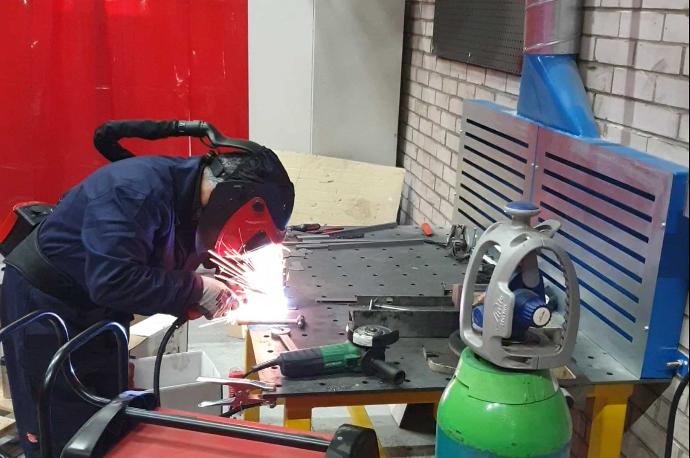
Re‑using components and standard interfaces means we can produce at scale, with fewer bespoke parts and less complex fabrication.Less damage in transport
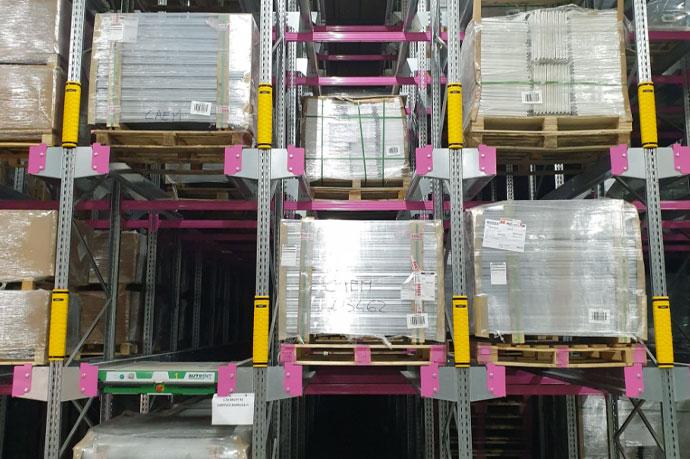
Flat‑packable, break‑down structures travel more safely and efficiently than large, delicate one‑piece units. Fewer damaged items, fewer surprises on site.More CO₂‑efficient logistics
Modular components pack denser. You move more fixture per lorry and per container. That reduces transport impact and cost.Faster, cleaner installation
Metal modular systems can be built quickly by trained teams, with no joinery dust, no on‑site woodworking, and minimal disruption.
But, if you take modularity too far, there are drawbacks:
Visible fixing points
The client may not want to see certain fixings or joints that modular structures naturally have.Aesthetic constraints
Some brand environments demand very “clean” surfaces where every fixing needs to be invisible.Behaviour under side hits
While static robustness is not in doubt, units composed of multiple elements might show a little more movement when hit from the side than a single, over‑built block of timber.
That’s why we don’t chase modularity for its own sake. Our philosophy is:
Understand the constraints and desires of the client – then modularise as much as possible, and as much as is feasible.
Sometimes that means 90% modular, 10% bespoke. Sometimes it’s the other way round. The point is that every decision is conscious, not accidental.
Turning heavy, inflexible displays into modular assets
A lot of our favourite projects started as “this is just how we’ve always done it” fixtures – usually heavy, unflexible timber units that looked solid, cost a lot, and didn’t actually showcase the product very well.
Example 1: Multi‑tier vinyl record display
One case was a complicated, multi‑tier display for vinyl records:
- The original was a heavy timber unit, hard to move, hard to adjust, and not very space efficient.
- We re‑engineered it into a metal modular solution:
- More cost‑effective to manufacture and transport
- Leaving more space for both storage and merchandising
- Visually lighter and better aligned with the brand environment
The client didn’t just get a nicer display. They got a platform they could adapt as their range and layout evolved.
Example 2: Towel display – from timber honeycomb to wire clarity
Another was a towel display built as a honeycomb of timber boxes:
- Most of what customers saw was wood, not towels. The fixture dominated; the product disappeared.
- We replaced it with a modular set‑up of wire shelves and wire dividers:
- Suddenly the towels stood out; the steel receded into the background.
- Cleaning and restocking became easier.
- Sales increased, and the client’s first reaction was a simple “wow” when they saw it dressed.
We’ve done the same kind of transformation with pillow displays, curtain displays, service counters and many more cases. The pattern is always the same: move from heavy, rigid timber to clean, adaptable metal built on modular systems.
Why metal wins over timber for serious retailers
There is a clear preference from the clients we work with. When they’ve experienced both, they choose metal over timber every time:
- More robust in daily use
- Cheaper over its life and often even up front
- Better logistics – packs down smaller, ships safer
- Adaptable and adjustable as ranges and formats change
- Re‑usable across sites and across concepts
- Faster to fit on site with trained installers
- No on‑site joinery, no dust, no curing times
- Lower fire risk
There really is no comparison.
The only reason many retailers stay with old timber solutions is habit – and the fact they keep asking the same people who have been selling them the same ideas for years.
If you never challenge the fixture model, you never see what’s possible.
How modular systems change the capex equation
From a board or investor’s perspective, modular systems re‑shape the capex discussion:
Longer useful life
A modular system can live through multiple format changes, store refreshes and even relocations. You’re not depreciating a one‑use object; you’re investing in a technical platform.Fewer write‑offs at refit
When fixtures can be re‑configured or moved, refits don’t automatically mean skips full of steel and timber. A large percentage of existing kit can be reused, extended or repurposed.Higher residual value
Because components are standard and compatible, they keep value. You can hold central stocks, redeploy to other sites, and treat fixtures as an asset base, not just a cost.Less risk in trials and new formats
With modular systems, trial formats are cheaper and safer. If a concept doesn’t work, most of the kit can be folded back into the standard estate.
That’s why, when I talk to boards, I don’t position modularity as a “nice feature”. It’s a risk management and asset‑management strategy.
Throw us your challenge
If there’s one pattern that’s held true across my 25 years, it’s this:
- Clients almost always prefer modular, metal, re‑usable solutions once they see and use them.
- They rarely get offered them by default, because many suppliers are locked into their old ways of building.
At CAEM, our designers and engineers work every day to convert rigid, inefficient, hard‑to‑maintain fixtures into modular solutions that:
- Look better
- Work better
- Cost less over their life
- Give you options, not dead ends
If you have a fixture that feels heavy, inflexible, or “just how we’ve always done it”, get in touch, throw us the challenge, and let us show you what a modular, metal alternative can do – for your space, your staff, and your capex line.