Well-designed fixtures are only half the story. The other half is what happens when those fixtures meet a real site: real trades, real time pressure, imperfect drawings, last‑minute changes, and a non‑negotiable opening date.
That’s where too many projects fall apart – not because the shelving system is bad, but because the installation and aftercare are treated as an afterthought.
Over 25 years, I’ve seen this more times than I can count. It’s why CAEM has built a very deliberate approach to fit‑out and aftercare, based on trained teams, close coordination and the willingness to go the extra mile when reality doesn’t match the plan.
The problem with “foreman + random labour”
A pattern we see again and again on sites is this:
- A foreman arrives who may be competent in general fit‑out work.
- Behind them, a rotating cast of random labourers are sent in to “build the shelving”.
- None of them really know shelving. They don’t know our systems. They don’t know the project history. They barely speak to the retailer’s project team or our designers.
The result is predictable:
- Time wasted figuring out basics that trained teams would do in minutes.
- Shortcuts and unsafe methods when something doesn’t fit the plan.
- Wrong components in the wrong places, creating problems that only show up once the store is trading.
- Snagging that never quite gets finished, because the people on site don’t fully understand what “finished” is meant to look like.
You can specify the best fixtures in the world. If installation is handed to people who don’t understand them, you inherit their learning curve and their mistakes.
How CAEM structures installation differently
For us, installation is not a generic activity. It is a specialist job that demands:
- Knowledge of CAEM systems and specials
- Understanding of the specific project and its constraints
- Awareness of health & safety, sequencing and site logistics
So our approach looks very different from “foreman + random labour”:
Trained teams, not ad-hoc labour
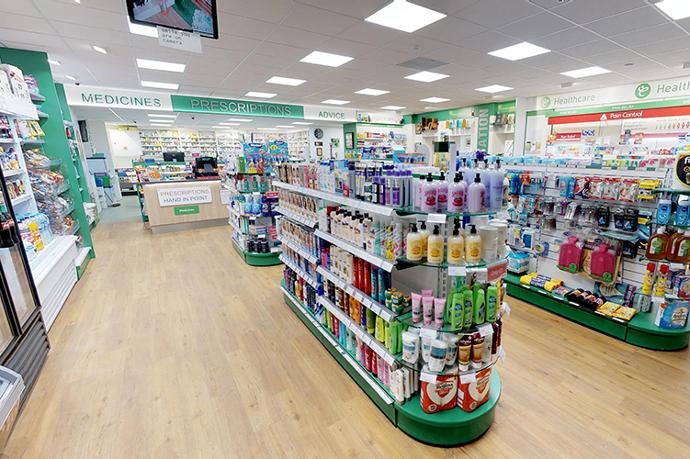
Our installation teams are trained to the highest level of professionalism, specifically on CAEM shelving systems and on the types of sites we work in (food retail, discount, pharmacy, DIY, etc.).Project managers who think through the details
Our project managers and installation coordinators cover every aspect:- From obvious basics like making sure there is a first aid kit on site
- To choosing exactly which installers to send, based on their experience with similar jobs, systems and specials
- To checking phasing, access, and interaction with other trades
Mock-ups and dry runs at the factory
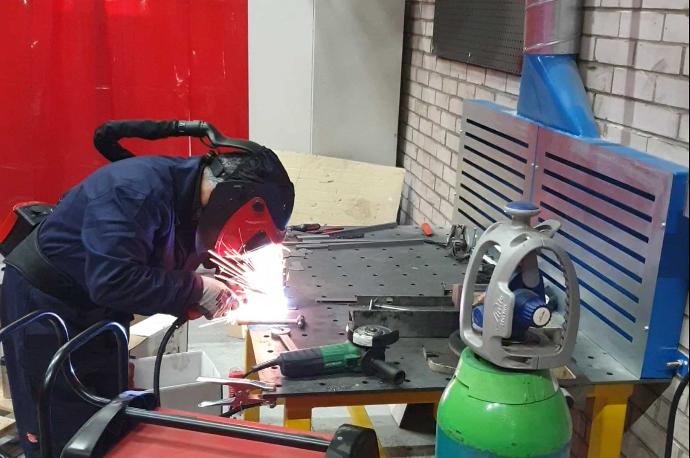
For complex projects or new products, we often set up mock units in our factory:- We build the new fixtures as they will be built on site.
- We go through every small detail or new product feature with both our teams and, where useful, the client.
- We iron out confusion and refine the method before anyone arrives at the store.
This preparation means our teams don’t arrive on site “to see what it looks like”. They arrive knowing what they’re there to build, in what order, and what “good” looks like at the end.
When we were asked to “rescue” someone else’s installation
Sometimes, the difference becomes painfully obvious.
In one case, a supplier had won a project but was completely unable to submit the required health & safety documentation pack in time. The retailer, rightly concerned, had a stock launch and an opening date they could not move.
They came to us and asked for help: could CAEM manage the installation of someone else’s kit, just to honour their commitments?
We agreed. Our teams handled the installation safely, on time, and in line with the site’s H&S requirements. The retailer learned the lesson. Next time, they chose a partner who could actually own both the product and the process – and that was CAEM.
Dealing with the reality of sites, not just the drawings
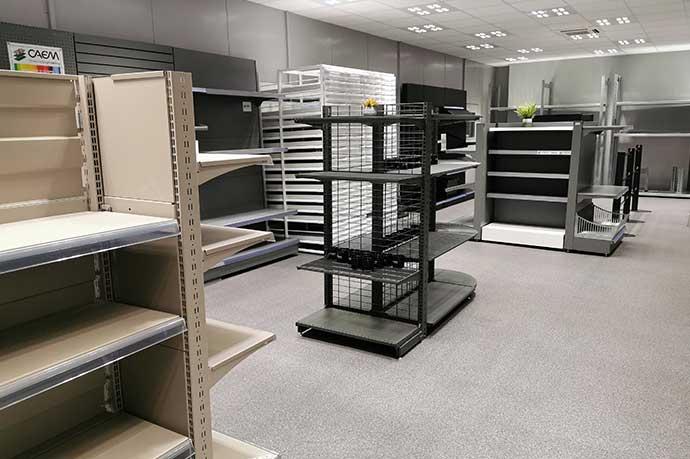
Another recurring challenge is that the store layout on paper rarely matches the reality of the site:
- Columns are in slightly different positions.
- Walls are out by a few centimetres.
- Services or unforeseen constraints eat into the planned fixture runs.
- The client decides, at the last minute, that they want to tweak a category or add a unit.
Many suppliers respond with: “We’ll have to move the opening date” or “We’ll sort it out on the next phase”.
Our approach is different:
- We go to great lengths to supply extra kit or modified elements before the opening date whenever humanly possible.
- We do not promise this as a guaranteed service – that would be dishonest. But we do commit to trying, and in most cases we succeed in:
- Covering the gap between the designed layout and the reality of the shop
- Accommodating late client requests without blowing up the programme
It’s not magic. It’s the combination of UK manufacturing, stock, trained installers and project managers who are allowed to pick up the phone and ask for help, rather than just shrug at a problem.
Aftercare and spare parts: keeping stores trading and evolving
Installation is not the end of the story. Stores get knocked, formats evolve, and fixtures have to keep up.
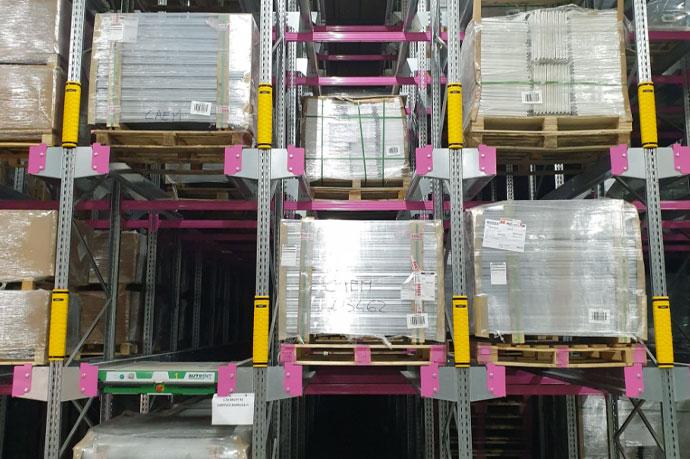
Because CAEM designs and manufactures its own systems, aftercare and spares are part of our core capability:
- We can supply replacement components, not just full bays, when something is damaged.
- We can help retailers re‑use and re‑configure existing fixtures when formats change, instead of tearing everything out.
- We maintain the technical knowledge of older systems and specials, so we can support them years after installation.
There have been many occasions where:
- A damaged run could have left a key aisle trading poorly for weeks; instead, we supplied replacement kit in time to keep the store presentable and safe.
- A format refresh could have been specified as a full refit; instead, by understanding the original system, we helped the retailer re‑deploy large parts of their existing asset base and only buy what they truly needed.
Every time we do that, the retailer saves capex and opex – and extends the useful life of the steel they already own.
Why this matters for boards and property teams
From a board or property director’s perspective, the question is not just “who can supply shelving?”. It is:
- Who can control what happens on my sites, under real time pressure?
- Who will ensure the fixtures go in safely, correctly and on time?
- Who will help us when the drawing and the reality don’t match?
- Who can keep these assets working and adaptable for years?
A trustworthy, design‑led manufacturing partner answers all of those, not just the unit price question.
At CAEM, we’ve built our installation and aftercare model to reduce risk at every stage:
- Trained teams who know our systems and your sector
- Project managers who plan fit‑out as carefully as we plan design
- Factory mock‑ups for complex projects, to remove surprises
- A willingness – backed by real capability – to step in when others fail
- Aftercare and spares from the same people who designed and made the fixtures
In a world where store downtime is unaffordable and capital has to work harder than ever, that combination is not a luxury. It’s part of what turns shelving from “metal on a drawing” into a reliable, long‑term asset for your business.