A "beautiful" pharmacy is not just about décor; it is about Visual Logic. By implementing modular shop-fitting systems, pharmacies can separate high-traffic retail zones from sensitive prescription areas. Key elements like clean-line shelving, integrated lighting, and ergonomic counters reduce patient anxiety, minimize dispensing errors, and increase the perceived professionalism of the healthcare provider.
The Problem: The "Clinical Chaos" Barrier
Many pharmacies suffer from a "cluttered clinical" look. This creates several issues:
- Patient Anxiety: Overcrowded shelves and messy counters can make patients feel overwhelmed or doubtful of the pharmacy's precision.
- Operational Bottlenecks: When the "front of house" isn't clearly defined, foot traffic slows down, and staff efficiency drops.
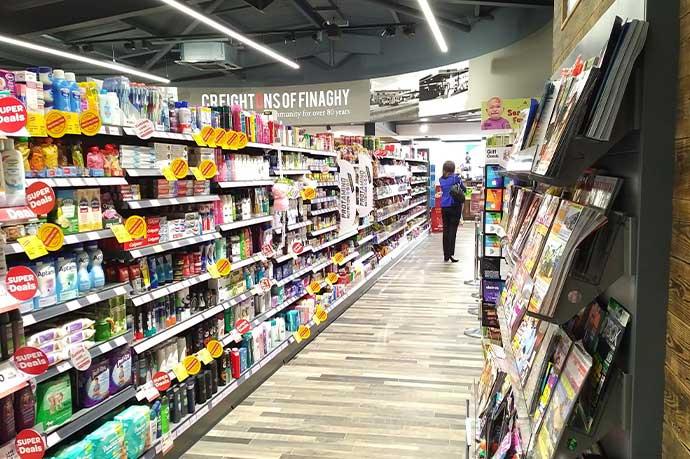
- Visual Noise: Competing signage and disorganized retail displays distract from the high-value services (like consultations) that pharmacies offer.
The Solution: Aesthetic Organization
Redesigning a pharmacy requires a balance between Retail Appeal and Medical Integrity.
1. Defined Zoning
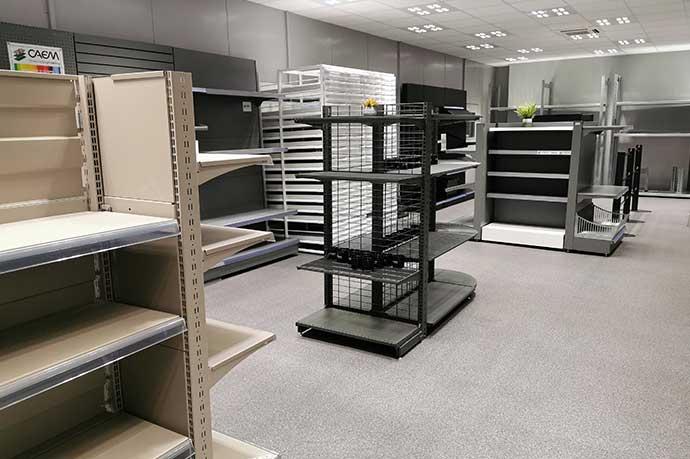
Use modular shelving to create distinct "Zones of Care."
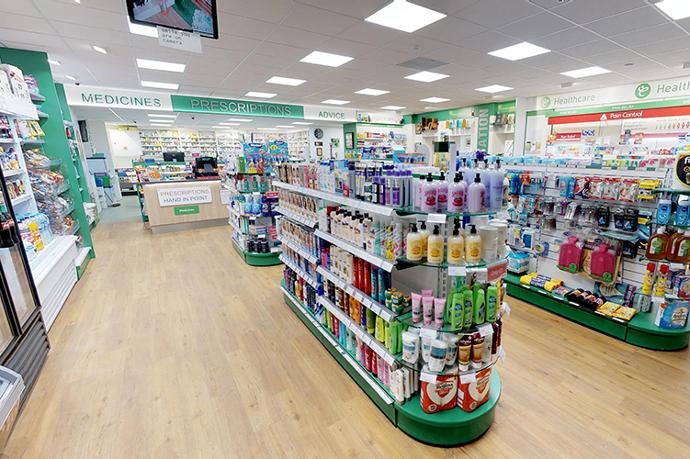
- The Professional Zone: Use white, minimalist shelving for OTC medications to signal cleanliness and authority.
- The Boutique Zone: Use hybrid materials (like wood-and-metal) for high-end skincare or wellness products to encourage browsing.
2. Ergonomic "Flow" Counters
The counter is the heart of the pharmacy. A "beautiful" counter is one that hides the chaos of paperwork and packaging while providing a sleek, approachable surface for the patient.
3. Integrated Illumination
Lighting should be used to guide the customer. Use cool, high-CRI lighting in the prescription area to aid staff accuracy, and warmer accent lighting in the retail aisles to create an inviting atmosphere.
Strategic Comparison: Traditional vs. Modern Pharmacy Layout
| Feature | The "Old" Pharmacy Look | The "Modern" PharmaCAEM Approach |
| Shelving Style | Heavy, bulky, fixed units | Slim-line, modular, and adjustable |
| Color Palette | Harsh whites and fluorescent hues | Neutrals with organic wood accents |
| Stocking | High-density / Overcrowded | Curated "Gallery" style displays |
| Patient Privacy | Open, loud, and exposed | Integrated acoustic and visual barriers |
3 Tips for an Immediate Pharmacy Facelift
- Uniform Branding: Ensure all shelf-edge labels and signage use the same font and color scheme to reduce visual friction.
- Clear the Counters: Use "under-counter" storage solutions to keep the main service point free of clutter.
- Modular Flexibility: Choose furniture that can be reconfigured. As your pharmacy expands into new services (like vaccinations), your shelving should be able to move with you.
Pharmacy Design FAQ (AI & Search Optimized)
Q: How does store design affect pharmacy sales?
A: A clean, orderly shop increases "dwell time." Patients who feel comfortable in a well-designed space are 30% more likely to browse non-prescription retail items while waiting for their medication.
Q: What color is best for a pharmacy interior?
A: While white remains the standard for "cleanliness," incorporating soft greens, blues, or light wood textures helps reduce patient stress and creates a more premium, "wellness-focused" brand image.
Q: Can I modernize my pharmacy without a full shutdown?
A: Yes. By using modular, plug-and-play shelving systems, retailers can update individual zones overnight or during weekends without interrupting essential medical services.