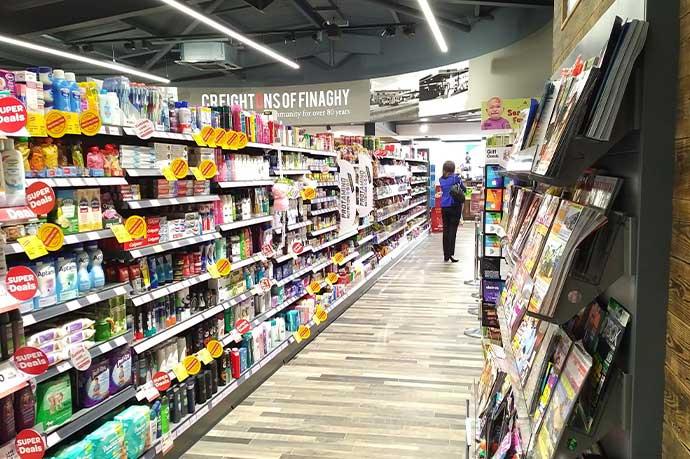
Every UK retailer I speak to is living with the same reality: margins are thin, labour is tight, and property is expensive. In that environment, shelving and fixtures can’t just be seen as a one‑off cost or a race to the lowest unit price.
If you look closely at how stores actually perform over time, fixtures are one of the most powerful levers you have on profit per metre.
The real numbers that fixtures touch
When you strip away the noise, most retail boards care about a handful of hard numbers:
- Sales per square metre
- Labour hours per aisle (replenishment, cleaning, stock finding)
- Refit capex and how often you have to spend it
- Ongoing opex: maintenance, cleaning, “workarounds” and bodges
Shelving decisions cut across all of these:
- The wrong system, with the wrong components, can leave you with “dead” space, constant gaps, and messy workarounds.
- The right system, properly specified, supports cleaner merchandising, faster replenishment, less cleaning time, and more profitable use of every metre.
That’s why “how much is the kit?” is the least interesting question on the table.
Refits, specials and the cost of doing it twice
A huge chunk of wasted capex in retail comes from fixtures that are:
- Over‑complicated to manufacture
- Slow or difficult to install
- Hard to keep clean and smart
- Too rigid to adapt when the format or range changes
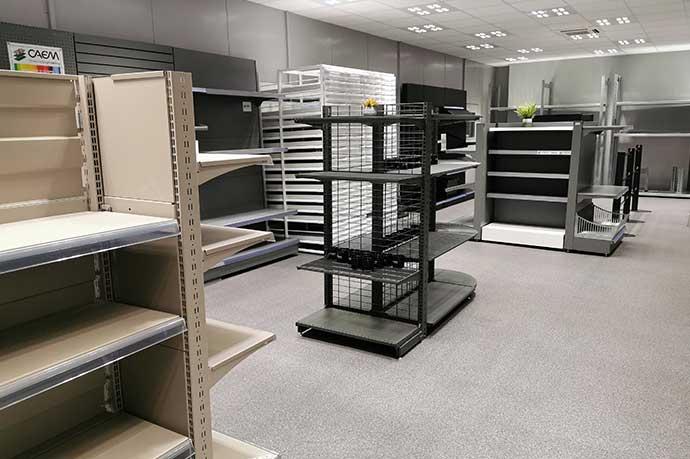
We’ve spent a lot of time re‑engineering “special” fixtures so they do the same job on the shop floor, but:
- Are simpler and cheaper to manufacture
- Go together faster on site, saving fitting time and disruption
- Hold up better under real store conditions
Sometimes the improvements are surprisingly basic:
- Wire shelving designed and spaced so it gathers less dust and debris, and is easier to wipe down properly. Less cleaning time, less downtime, and a better-looking bay.
- Special fixtures for awkward products – long, narrow items, bulky cushions, vinyl records – that actually hold and present them properly, instead of relying on improvised hooks and stacks that look poor and waste space.
Every time you make a bay easier to build, easier to clean, and better at holding the range, you are quietly taking cost out of the operation and risk out of the refit.
Visibility, density and the “hidden” sales lift
It’s not just about savings. Well‑designed fixtures can actively increase the revenue you squeeze out of each metre.
A few examples we see repeatedly:
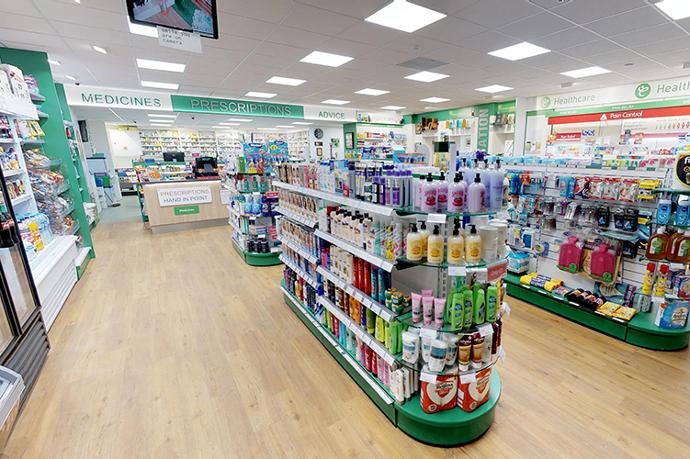
- Better visibility: tuned shelf depths, wire designs and angles make products more visible and easier to shop. Customers see more of the range, and more of the higher‑margin lines.
- Smarter organisation: using the right accessories and dividers to tame “difficult” categories (tall products, soft goods, mixed shapes) means fewer lost lines, cleaner adjacencies, and a more confident shop.
- Consistent presentation: fixtures that are stable, well‑finished and correctly specified help stores keep the planogram intact instead of letting categories drift as staff fight the hardware.
None of this shows up in the price per upright. It shows up in basket value, conversion and how much space is genuinely shoppable.
The biggest mistake: buying the drawing, not the reality
From a business owner and manufacturer’s perspective, the most expensive mistake retailers make is treating fixture procurement like a commodity tender. Typical patterns:
Chasing the lowest kit price without challenging the specification
Offers that “look cheaper” on paper often hide the fact that crucial components are missing. You still get a gondola, but with fewer shelves, weaker backs, no proper dividers or accessories. You end up with:- Compromised merchandising
- Staff improvising with whatever they can find
- Safety performance that nobody has really checked
Ignoring safety and strength
Load, stability and long‑term durability are not optional extras. Under‑engineered systems may pass a quick visual check, but they fail under real use: leaning trolleys, kids climbing, stock stacked higher than planned. The cost of one serious incident dwarfs any “saving” on steel.Underestimating the opex impact
Cheap fixtures that are awkward to clean, hard to replenish, or constantly drifting off plan quietly burn labour hours every single week. Over a 7–10 year life, that extra opex can easily outshine the original capex.Neglecting the shop’s appearance and brand
It costs the same to make a badly coloured, mismatched shop as it does to make a coherent one if you work with a manufacturer that offers proper colour and finish services. We routinely offer special colours at no extra charge as part of the project – ignoring that is throwing away free brand value.Overlooking project management and supply risk
Many “cheap” offers rely on importing goods from suppliers with limited financial strength, no real local presence, and fragile logistics. Deadlines slip, quality varies, cash‑flow risks appear on their side, and you inherit them.When your go‑live date is fixed, that risk is real money.
How CAEM thinks about profit per metre
Because we design and manufacture, we see every side of this:
- Commercial and finance: how capex and opex play out in the P&L over time
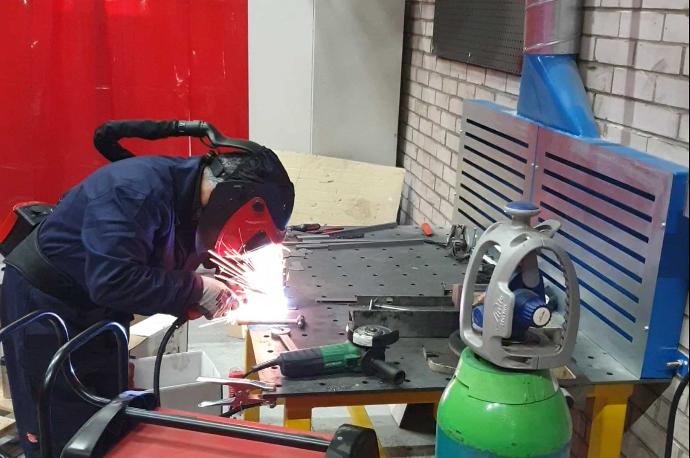
- Engineering: what can be safely and efficiently produced at scale
- Store operations: how fixtures actually behave on a busy Saturday
- Merchandising and design: what helps or hinders category strategy
That’s why our conversations with retailers rarely start with “How many bays do you need?” and more often start with:
- What are you trying to achieve with this format?
- How often will you need to change ranges or layouts?
- Where are you currently losing time or money on fixtures?
- Which categories are a constant headache to present or maintain?
From there, we can:
- Re‑specify fixtures so they’re simpler to build and run
- Make sure every component on the list has a job, and nothing essential is missing
- Tune wirework, shelves and accessories to reduce cleaning and replenishment time
- Use colour and finish properly, at no extra cost, to lift the whole environment
- Wrap this in competent project management so goods arrive, in full and on time
The right way to think about shelving economics
If you want to move from margin pressure to profit per metre, fixtures should be evaluated on:
- Lifetime cost, not unit price
- Labour impact, not just steel weight
- Safety and compliance, not just appearance
- Brand and customer perception, not just “it will do”
When you do that, the cheapest kit on the spreadsheet usually stops looking cheap. And a well‑engineered, properly specified system designed with your formats in mind starts to look like what it really is: one of the few investments in the store that can quietly improve both your sales line and your cost base for years to come.